Retatrutide: The Triple Agonist and What It Means for Men Chasing Fat Loss
One molecule pulling three metabolic levers at once. The phase 2 numbers are the biggest anyone has published, and that is exactly why the details matter.
Semaglutide hits one receptor. Tirzepatide hits two. Retatrutide reaches for a third, and the early human data is the most dramatic weight loss anyone has put in a peer reviewed journal. Here is the honest version: what the three targets actually do, why the glucagon arm is the interesting part, and why a man over 40 should read the muscle and heart rate footnotes as carefully as the headline number.
The GLP-1 story keeps escalating. First semaglutide showed men could lose serious weight from a weekly shot. Then tirzepatide pushed the numbers higher by hitting a second hormone receptor. Retatrutide is the next rung, and it is not a small step. In its phase 2 trial the highest dose group lost roughly a quarter of their body weight over 48 weeks, which is territory that used to belong only to bariatric surgery.
That headline is real, and it is also why the fine print deserves your attention. A drug powerful enough to strip a quarter of your weight in under a year is powerful enough to strip other things you did not intend to lose. This piece walks through what retatrutide actually is, how its three targets separate it from the drugs already on pharmacy shelves, and the specific questions a man over 40 should be asking before he gets excited.
3
Receptors It Activates
GIP, GLP-1, and glucagon in one molecule
24%
Peak Mean Weight Loss
highest dose group at 48 weeks in phase 2
48
Weeks in the Key Trial
Jastreboff et al, published 2023
0
FDA Approvals So Far
still in phase 3 trials as of 2026
What Retatrutide Actually Is
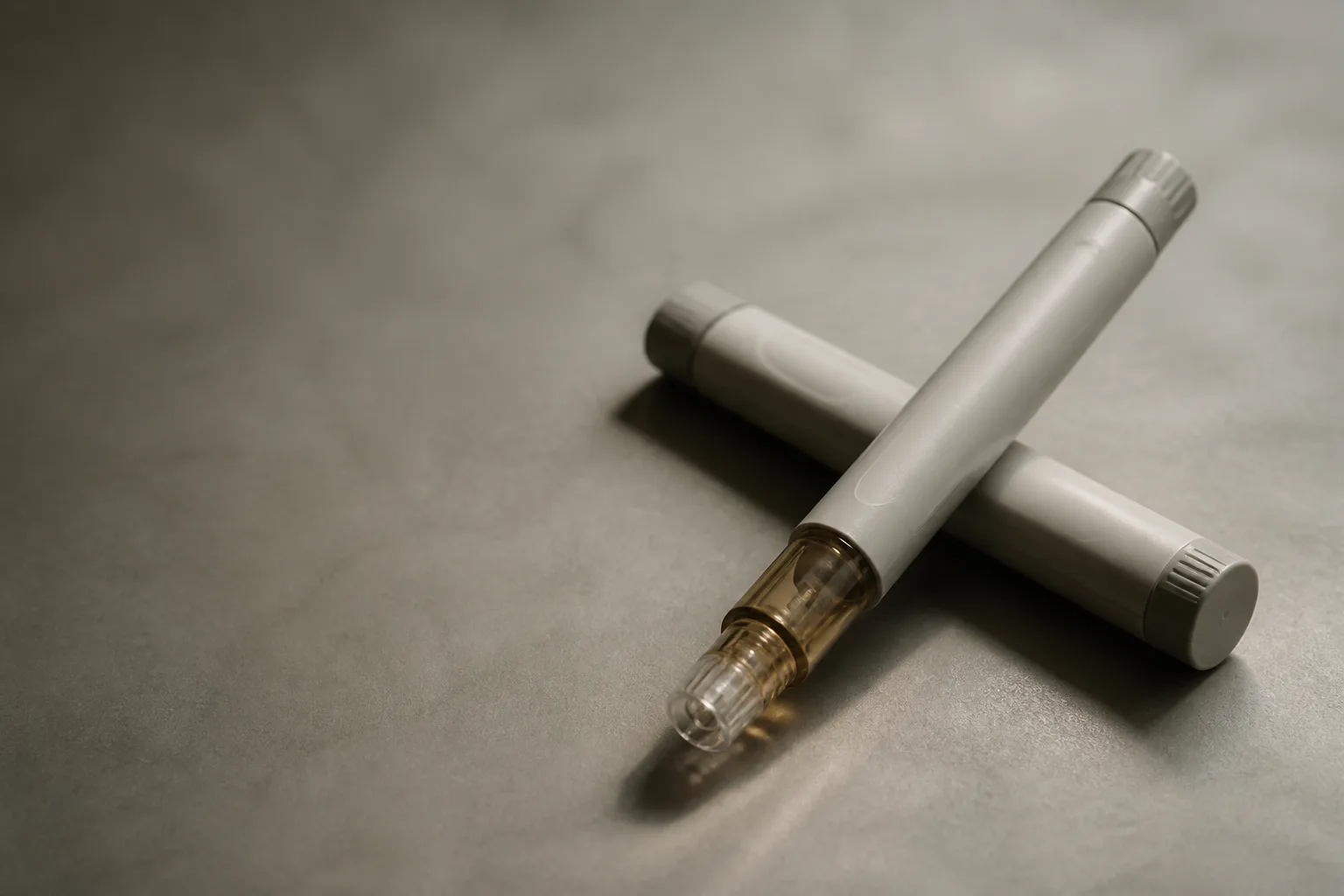
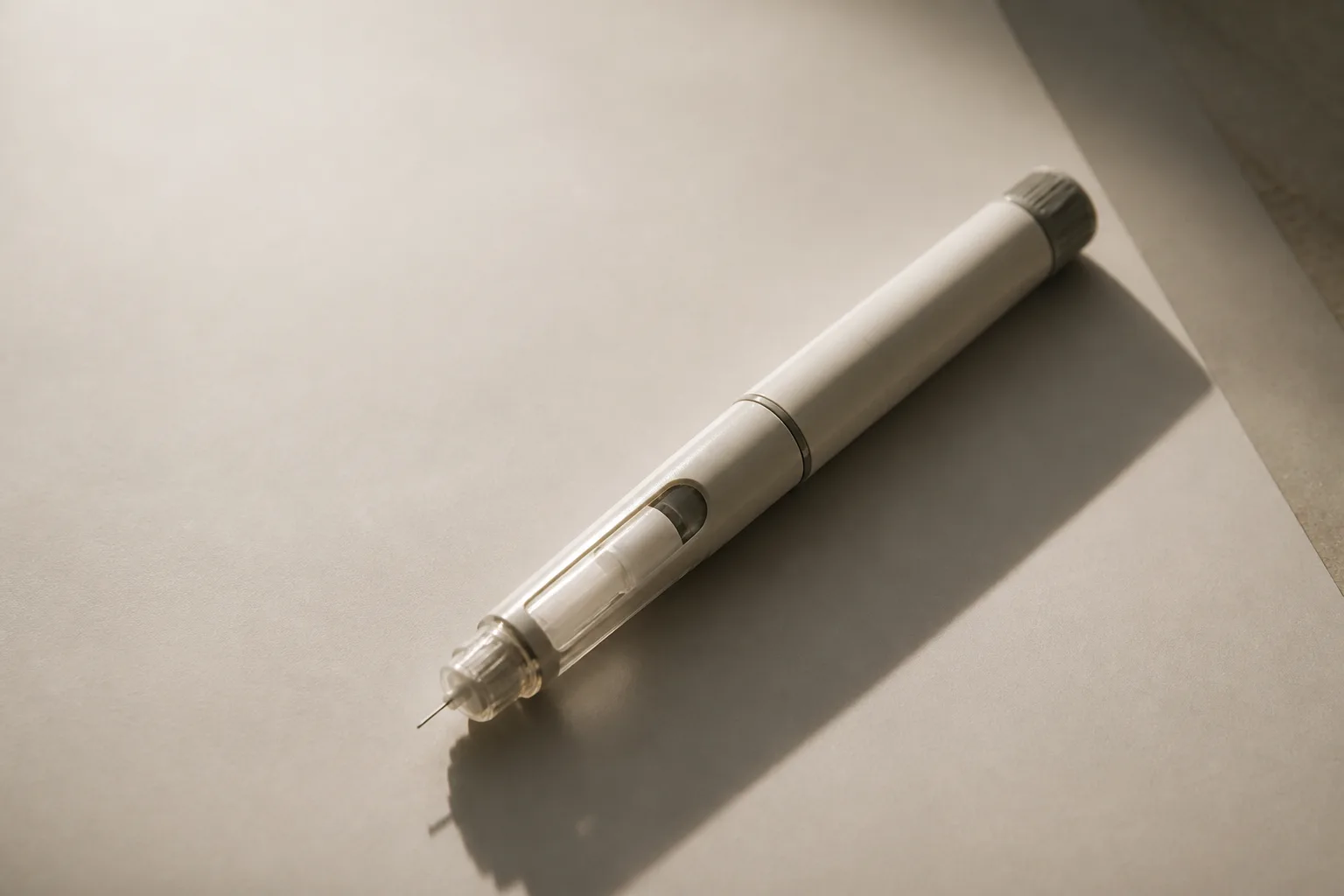
Retatrutide is an injectable peptide developed by Eli Lilly, the same company behind tirzepatide. On paper it looks like a natural extension of that lineage. Where semaglutide mimics a single gut hormone and tirzepatide mimics two, retatrutide is engineered to switch on three hormone receptors at the same time. The industry shorthand for it is a triple agonist, or sometimes a triple G, because all three targets happen to start with that letter in their receptor families.
The three receptors are GLP-1, GIP, and glucagon. The first two are already familiar from the current generation of drugs and mostly work by curbing appetite and improving how the body handles blood sugar. The third one, glucagon, is the new and genuinely different ingredient, and it is the reason retatrutide behaves the way it does. Understanding that third lever is the whole point of understanding this drug.
Mean Weight Loss by Drug at Top Studied Dose
The Glucagon Lever, and Why It Changes the Math
Most people know glucagon as the hormone that raises blood sugar, the mirror image of insulin. So adding a glucagon agonist to a weight loss drug sounds backwards at first. Why would you want to nudge blood sugar up while trying to fix metabolism? The answer is that glucagon does something else that matters more here. It tells the body to burn stored fuel and it raises energy expenditure. In plain terms, it turns up the furnace rather than only turning down the appetite.
That is the mechanical difference between retatrutide and the drugs before it. Semaglutide and tirzepatide mostly win by making you eat less. Retatrutide does that too, through the GLP-1 and GIP arms, but the glucagon arm adds a second front by increasing how much energy you spend at rest. Eat less and burn more at the same time, and the arithmetic of fat loss tilts harder in one direction. The GLP-1 component is also there to keep blood sugar in check, which offsets glucagon's tendency to push it upward.
How the Three Receptors Split the Work
1
GLP-1 Receptor
Slows the stomach, blunts appetite, steadies blood sugar
2
GIP Receptor
Supports insulin response and appears to improve how fat is handled
3
Glucagon Receptor
Raises energy expenditure and pushes the body to burn stored fuel
There is a bonus finding that grabbed a lot of headlines. In an exploratory arm of the phase 2 program, retatrutide dramatically reduced liver fat in people who had fatty liver, with many participants seeing their liver fat drop to near normal. The glucagon activity is thought to drive a good part of that. For men, whose fat tends to collect around the middle and the liver, that signal is worth watching, though it still needs confirmation in dedicated trials.
The Numbers, and How Fast They Arrived
The trial that put retatrutide on the map was a 48 week phase 2 study published in 2023. Participants without diabetes were split across several doses. The pattern that caught everyone's eye was not just the size of the weight loss but the shape of the curve. At the highest dose the average person kept losing weight through the entire study, and the line had not clearly flattened by week 48. That is unusual. Most weight loss drugs plateau somewhere along the way, and this one was still descending when the clock ran out.
Retatrutide Weight Loss Over 48 Weeks, Highest Dose
A curve that has not leveled off is a double edged thing. It hints that the ceiling might be even higher with more time, which is genuinely exciting. It also means nobody yet knows where the bottom is, or what happens to the body during a descent that steep and that sustained. Losing weight fast is not automatically the same as losing it well, and that distinction is where the caution for men over 40 begins.
As of 2026 retatrutide is still in phase 3 trials and has no FDA approval for any use. The impressive figures come from a mid stage study. Anything sold online under this name sits in an unregulated gray market where dose and purity are unverified, and that is a real safety problem, not a technicality.
What A Man Over 40 Should Read Twice
The single biggest concern with any aggressive weight loss drug is that a chunk of what you lose is muscle, not fat. This matters more the older you get, because muscle is already draining away with age and it is the tissue that keeps you strong, keeps your metabolism up, and keeps you independent later in life. A drug that pulls off a quarter of your body weight in under a year, without a deliberate plan to protect muscle, can leave you lighter and weaker at the same time.
The second thing worth noting from the trial data is heart rate. Retatrutide raised resting heart rate in a dose dependent way, more so than the earlier drugs, which is likely tied to the glucagon and energy expenditure effect. For a younger person that may be a footnote. For a man in his forties or fifties, especially one with any cardiovascular history, it is a number a doctor should be tracking, not guessing at.
Retatrutide at a Glance, Honest Version
| Question | Where the Evidence Stands | Confidence |
|---|---|---|
| Produces large weight loss | Strong in a 48 week phase 2 trial | High |
| Reduces liver fat | Striking in exploratory data, needs confirmation | Moderate |
| Beats tirzepatide head to head | No direct trial, only cross study comparison | Low |
| Protects muscle during loss | Not specifically demonstrated, general concern applies | Low |
| Raises resting heart rate | Observed and dose dependent in trials | Moderate to high |
| Safe for long term human use | Phase 3 not complete, long term data missing | Unknown |
A Sane Way To Hold This Information
Retatrutide is a genuinely important drug that is not yet a product you can responsibly obtain. Those two facts sit together and neither cancels the other. If it clears phase 3 and reaches the market, it will likely be one of the most effective obesity treatments ever approved. Until then, the useful move is to understand it, watch the trials, and build the habits that make any future drug work better rather than worse.
Where Retatrutide Fits Right Now
Today
- ✓Train with resistance at least twice a week to defend the muscle any GLP-1 drug can erode
- ✓Get a baseline lipid panel, liver enzymes, and resting heart rate so you know your real starting point
- ✓Fix the obvious levers first, sleep, protein intake, and daily movement, since these compound with or without medication
If You Are Already On A GLP-1
- ✓Prioritize protein, roughly a gram per pound of goal body weight, to blunt muscle loss
- ✓Do not chase the fastest possible weight drop, since slower loss protects lean mass
- ✓Keep your prescriber informed about heart rate, energy, and strength, not just the scale
As Phase 3 Reports
- ✓Watch for the muscle preservation and cardiovascular safety numbers, not only the weight figure
- ✓Ignore any source selling retatrutide before approval, since the product is unverified
- ✓Talk to a physician about whether an approved option today beats waiting for this one
The men who do best on any of these drugs are the ones who treat the shot as the assistant, not the plan. Retatrutide may eventually lose more weight than anything before it. It still cannot lift a weight for you, and the muscle it does not protect is the muscle you have to earn back yourself.
Frequently Asked Questions
This article is for educational purposes only and is not medical advice. Retatrutide is an investigational drug that is not approved by the FDA for any use, and its long term safety in humans is not established. Nothing here is a recommendation to obtain or use it. Do not start, stop, or change any medication, supplement, or peptide protocol without consulting a licensed physician who can review your full history and bloodwork.