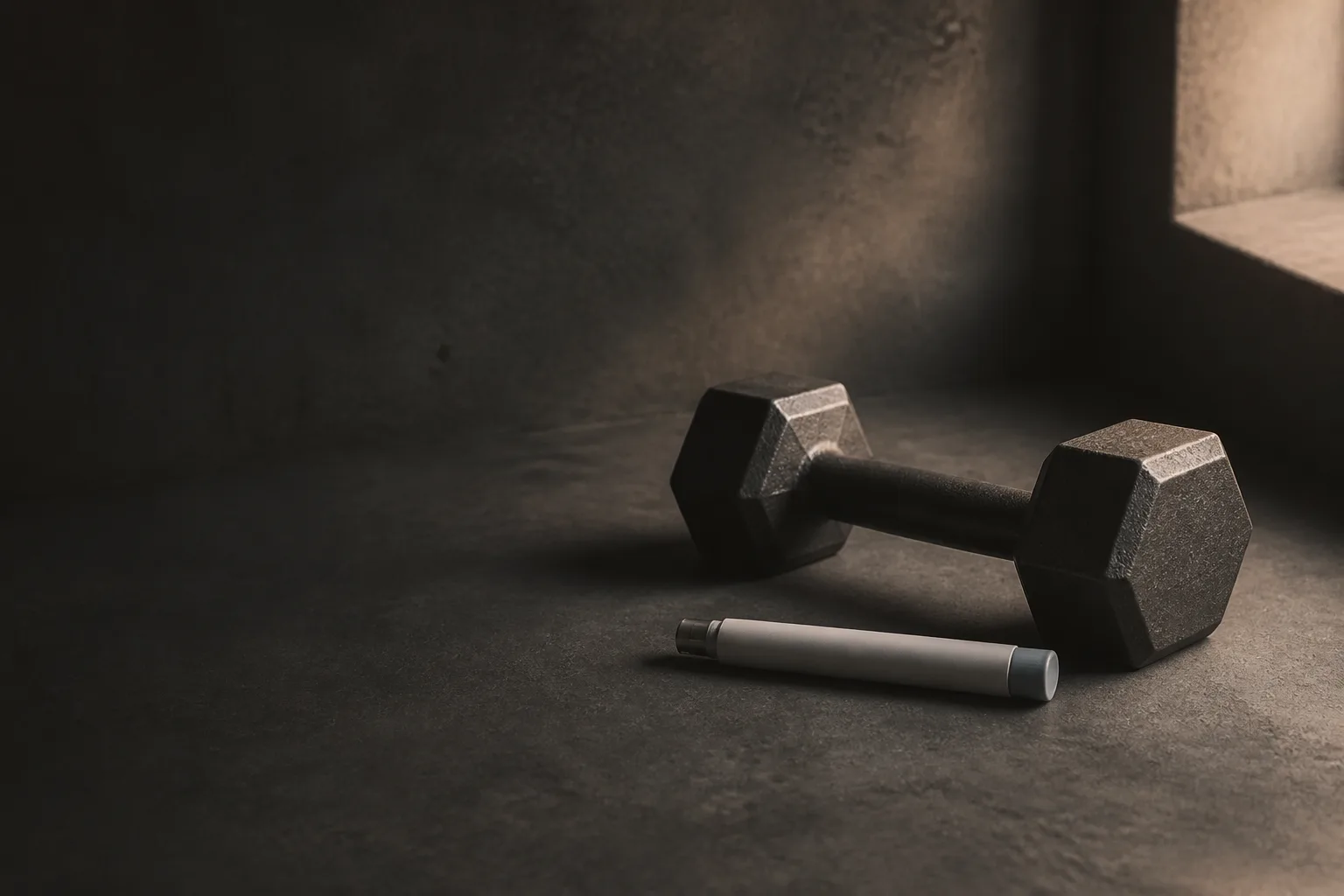
GLP-1 and Muscle Loss: How to Prevent It in 2026
The practical playbook for men who want the fat loss benefits of GLP-1 therapy without sacrificing the muscle they have spent years building.
GLP-1 receptor agonists are the most effective fat loss drugs available in 2026, but they come with a significant risk that most prescribers underemphasize: muscle loss. Studies show that 25 to 40 percent of weight lost on semaglutide or tirzepatide without a structured resistance training protocol is lean mass, not fat. This guide gives you the exact strategies to prevent that.
GLP-1 receptor agonists like semaglutide and tirzepatide have transformed the treatment of obesity and metabolic disease. In clinical trials, participants lost 15 to 22 percent of their body weight over 68 to 72 weeks. The problem is that a significant portion of that weight is not fat. In participants who did not follow a structured resistance training program, studies show that 25 to 40 percent of total weight lost was lean mass, including muscle, bone density, and organ tissue.
For a 220-pound man losing 40 pounds on a GLP-1 protocol, that could mean losing 10 to 16 pounds of muscle alongside the fat. The result is a body that weighs less but has a higher body fat percentage than before, a worse metabolic rate, reduced strength, and a higher risk of weight regain when the drug is eventually stopped. This guide covers the exact strategies that allow men to preserve lean mass while capturing the full fat loss benefit of GLP-1 therapy.
38%
Lean Mass Lost
without resistance training on sema
1.6g/kg
Protein Target
per kg of target body weight daily
3x/wk
Min Training Freq
resistance sessions to preserve muscle
90%
Lean Mass Retained
with training plus high protein
Why GLP-1 Drugs Cause Muscle Loss
The primary mechanism is caloric restriction. GLP-1 drugs reduce appetite dramatically, often cutting daily caloric intake by 500 to 1,000 calories or more. When the body is in a sustained caloric deficit, it draws energy from both fat stores and lean tissue. Without a signal to maintain muscle, specifically the mechanical tension from resistance training and adequate dietary protein, the body treats muscle as an expendable energy source.
A secondary mechanism is the reduction in physical activity that often accompanies GLP-1 therapy. Many men report feeling less motivated to exercise in the early weeks of treatment due to nausea, fatigue, and reduced food-driven reward signaling. This reduction in activity compounds the lean mass loss from caloric restriction. The combination of eating less and moving less creates the conditions for significant muscle atrophy over a 12 to 18 month protocol.
Body Composition Changes on GLP-1 Therapy: Fat vs Lean Mass Lost (% of Total Weight Lost)
Strategy 1: Resistance Training Three to Four Times Per Week
Resistance training is the single most important intervention for preserving muscle on a GLP-1 protocol. The mechanical tension created by lifting weights sends a direct signal to muscle fibers to maintain their size and strength even in a caloric deficit. Studies on caloric restriction consistently show that participants who perform resistance training three to four times per week retain 85 to 92 percent of their lean mass compared to 62 to 75 percent in those who do not train.
The training does not need to be complex. A three-day full body program built around compound movements, specifically squats, deadlifts, rows, presses, and pull variations, is sufficient to provide the muscle-preserving stimulus. Each session should include 3 to 4 sets per major muscle group at a load that allows 6 to 12 repetitions with good form. Progressive overload, adding weight or reps over time, is the key variable that distinguishes muscle-preserving training from general movement.
Strategy 2: Protein Intake at 1.6 Grams Per Kilogram of Target Body Weight
Protein is the raw material for muscle repair and synthesis. During a caloric deficit, the body's demand for dietary protein increases because it can no longer rely on energy surplus to spare protein from being used as fuel. The research consensus for men in a caloric deficit who are resistance training is a minimum of 1.6 grams of protein per kilogram of target body weight per day, with benefits extending up to 2.2 grams per kilogram in some studies.
For a man targeting 185 pounds (84 kg), that means 135 to 185 grams of protein per day. On a GLP-1 drug that suppresses appetite significantly, hitting this target requires deliberate planning. High-protein foods should be the first priority at every meal before appetite is satisfied. Protein shakes, Greek yogurt, cottage cheese, eggs, and lean meats are practical tools for reaching the target when appetite is low. Spreading protein across 4 to 5 meals or snacks throughout the day maximizes muscle protein synthesis compared to consuming the same amount in one or two meals.
Lean Mass Retention Over 52 Weeks by Protein Intake Strategy
- High Protein + Resistance (1.6g/kg)
- Moderate Protein + Resistance (1.0g/kg)
- Low Protein, No Training (<0.8g/kg)
Strategy 3: Peptide Stacking for Muscle Preservation
A growing number of men on GLP-1 protocols are adding peptides specifically to counteract lean mass loss. The most commonly used are growth hormone secretagogues, specifically Ipamorelin combined with CJC-1295, which stimulate the pituitary to release growth hormone in a pulsatile, physiological pattern. Growth hormone is a potent anti-catabolic signal that helps preserve lean mass during caloric restriction and supports fat oxidation simultaneously.
Tesamorelin is another option with particularly strong evidence for reducing visceral fat while preserving lean mass. Originally developed for HIV-associated lipodystrophy, it has become popular among men on GLP-1 protocols who want to target abdominal fat specifically without further lean mass loss. BPC-157 is often added to the stack for its gut-protective effects, which are relevant because GLP-1 drugs can cause gastrointestinal distress that limits food and protein intake.
Ipamorelin + CJC-1295
Tesamorelin
BPC-157
Strategy 4: Creatine Monohydrate
Creatine monohydrate is one of the most extensively researched supplements in sports science and has a direct application for men on GLP-1 protocols. Creatine increases phosphocreatine stores in muscle, improving performance in resistance training and supporting muscle protein synthesis. A 2024 meta-analysis found that creatine supplementation during caloric restriction attenuated lean mass loss by an average of 1.37 kg compared to placebo over 12 weeks.
The standard dose is 3 to 5 grams per day, taken consistently without a loading phase. Creatine is safe, inexpensive, and has no meaningful interactions with GLP-1 drugs. It is one of the few supplements with sufficient evidence to be considered a standard component of any GLP-1 muscle preservation protocol alongside resistance training and high protein intake.
Strategy 5: Monitoring and Adjusting the Protocol
The most common mistake men make on GLP-1 protocols is assuming that the scale tells the full story. A man who loses 30 pounds over 6 months may have lost 20 pounds of fat and 10 pounds of muscle, a poor outcome despite the impressive number. DEXA scans, which measure fat mass, lean mass, and bone density separately, are the gold standard for tracking body composition changes. Many men on GLP-1 protocols get a baseline DEXA scan before starting and repeat it every 3 to 6 months.
Bloodwork should include a complete metabolic panel, testosterone, free testosterone, sex hormone binding globulin, IGF-1, and a complete blood count at baseline and every 3 months. Rapid fat loss can affect testosterone levels, and monitoring allows early intervention if hormonal changes are detected. Men who notice declining strength in the gym, despite consistent training, should treat it as an early warning sign of lean mass loss and adjust their protein intake and training volume before the deficit becomes significant.
Primary Reasons Men Lose Muscle on GLP-1 Therapy
- Insufficient protein intake
- No resistance training
- Reduced activity from side effects
- Dose too aggressive
- Poor sleep and recovery
GLP-1 Muscle Preservation Protocol: Month by Month
Month 1 to 2
- ✓Start GLP-1 at lowest titration dose
- ✓Establish resistance training 3x per week
- ✓Hit 1.6g protein per kg of target body weight daily
- ✓Begin creatine 5g per day
- ✓Baseline DEXA scan and bloodwork
Month 3 to 6
- ✓Titrate GLP-1 dose based on tolerance and results
- ✓Add Ipamorelin and CJC-1295 if lean mass loss detected
- ✓Increase training to 4x per week if tolerated
- ✓Repeat DEXA scan at month 3 to assess lean mass
- ✓Adjust protein upward if lean mass declining
Month 7 to 12
- ✓Maintain training frequency and protein targets
- ✓Consider dose reduction if weight loss goal achieved
- ✓Monitor testosterone and IGF-1 every 3 months
- ✓Add Tesamorelin if visceral fat remains elevated
- ✓Plan transition protocol for GLP-1 discontinuation
GLP-1 drugs are powerful fat loss tools, but they are not muscle-sparing by default. The men who preserve the most lean mass on these protocols are those who treat resistance training and protein intake as non-negotiable, monitor their body composition with DEXA scans, and add targeted peptide support when needed. The drug does the metabolic work, but the protocol determines the quality of the outcome.
Frequently Asked Questions
This article is for informational purposes only and does not constitute medical advice. GLP-1 receptor agonists are prescription medications. All decisions about GLP-1 therapy, peptide protocols, and supplementation should be made in consultation with a licensed physician who has reviewed your complete health history, current medications, and laboratory results.
Continue Reading
Related Articles
Semaglutide vs Tirzepatide for Men: Which GLP-1 Wins in 2026
13 min read
The Microdose GLP-1 Blueprint for Men: Lose Fat Without Losing Muscle
12 min read
Microdosing GLP-1: The Protocol Guide for Men Who Want Results Without the Side Effects
11 min read